
Kashgar Travel Guide
Two-Thousand-Year-Old Oasis Ancient City: The Starting Point of a Cultural Journey in Southern Xinjiang
Kashgar is the heart of southern Xinjiang: the alley life of Kashgar Old City, Id Kah Mosque, century-old teahouses, and the livestock bazaar. This article explains how many days to stay, how to explore the old city, one-day trips around, and things foreign travelers should pay attention to.
This site only handles information compilation and itinerary design; prices and bookings are based on final confirmation.
Destination Details
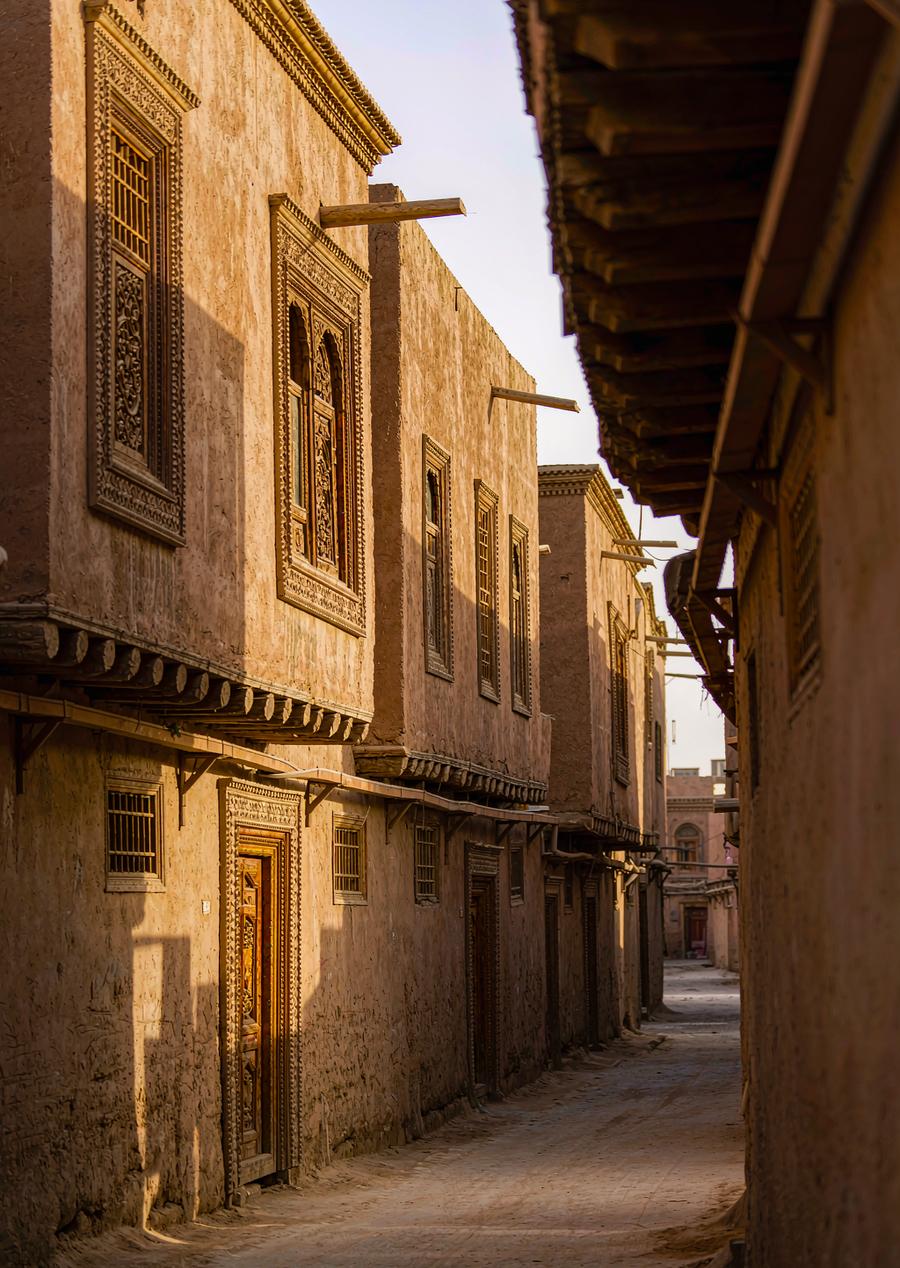
Kashgar is located at the western edge of the Taklamakan Desert, at the foot of the Pamir Plateau, and has been an important city on the Silk Road for over two thousand years. It is the city with the strongest Uyghur lifestyle atmosphere in the entire Xinjiang—people in the old city still make naan, craft copper pots, drink tea, and play chess. What travelers see is not a staged scene, but everyday life.
How to Explore the Ancient City
- Kashgar Old City (Opening Ceremony): Every morning, there is an opening song and dance performance at the east gate of the old city (around 10:30). Afterwards, walk along the main street; the handicraft workshops are lined up one after another: coppersmiths, woodwork, musical instruments, printed fabric.
- Id Kah Mosque: One of the largest mosques in China, the heart of the old city; open for visits outside of prayer times, and modest dress is required.
- Centuries-old Teahouse: With wooden windows on the second floor, hot tea, and the sound of the dutar, one pot of tea is enough to sit for half a day.
- High Platform Residences: Earthen buildings on the cliff, the best spot to overlook the rooftops of the old city.
- Cattle and Sheep Bazaar: Only on Sundays, the livestock market on the outskirts is one of the most lively scenes in southern Xinjiang.
How Many Days to Stay and Nearby Destinations
Two days in the old city itself is most comfortable; from the third day, go out: Pamir Plateau (Tashkurgan, two days including Karakul Lake), the Dawan Desert, or the Dolan Muqam music in Maigaiti. Kashgar is also the starting and ending point of the Taklamakan route.
Best Time to Visit
April to May and September to October are most comfortable; summer days are hot but mornings and evenings are suitable for activities; late March to early April in Tashkurgan when the apricot blossoms bloom is a peak time for photography enthusiasts.
Notes
Kashgar’s schedule is about two hours later than Beijing time, and shops generally open after 10 a.m.; halal food is common, and visitors should respect dress codes at religious sites; a border pass is required for visiting Tashkurgan County (can be obtained in Kashgar).
Routes that include this stop
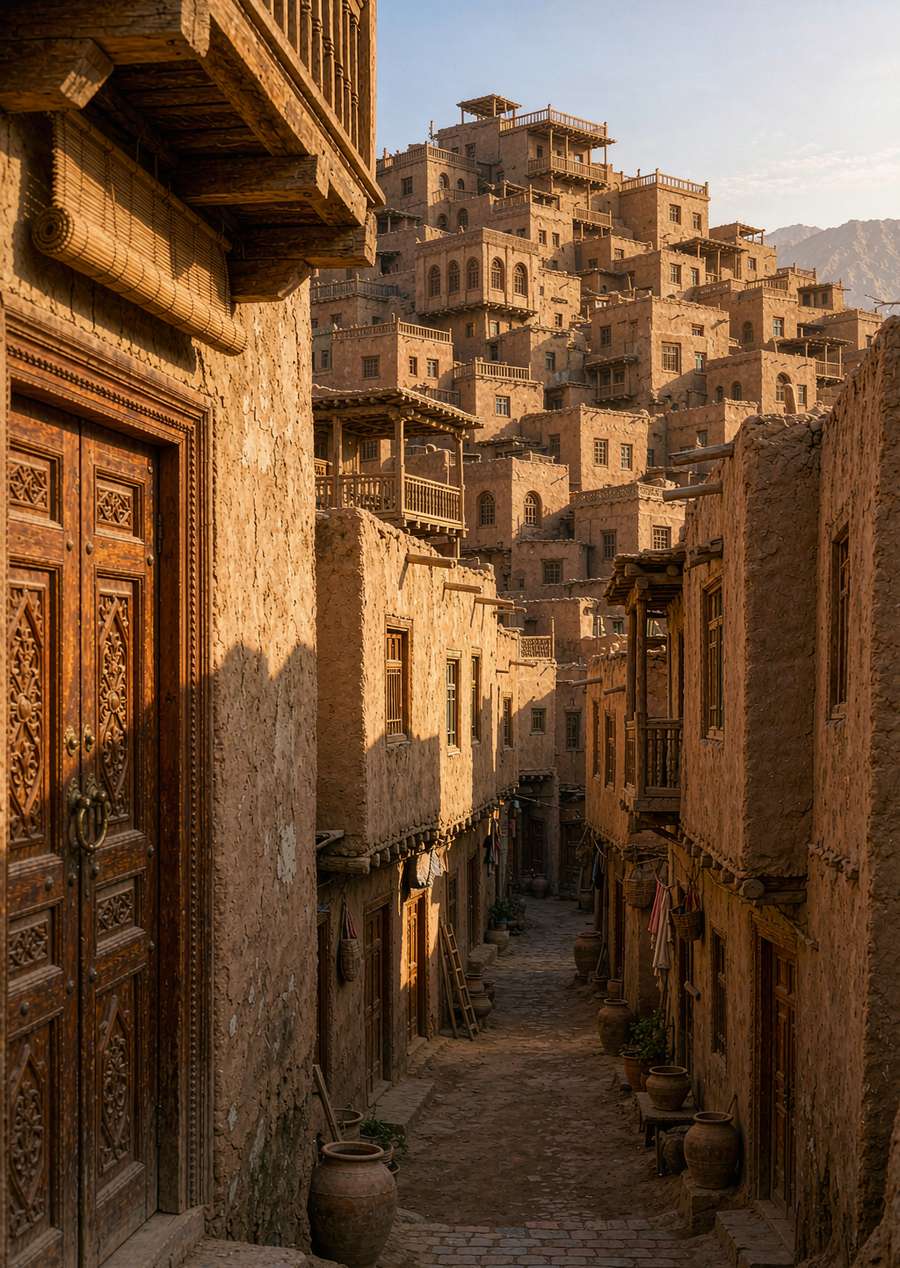 Southern Xinjiang Cultural Circuit 10 Days
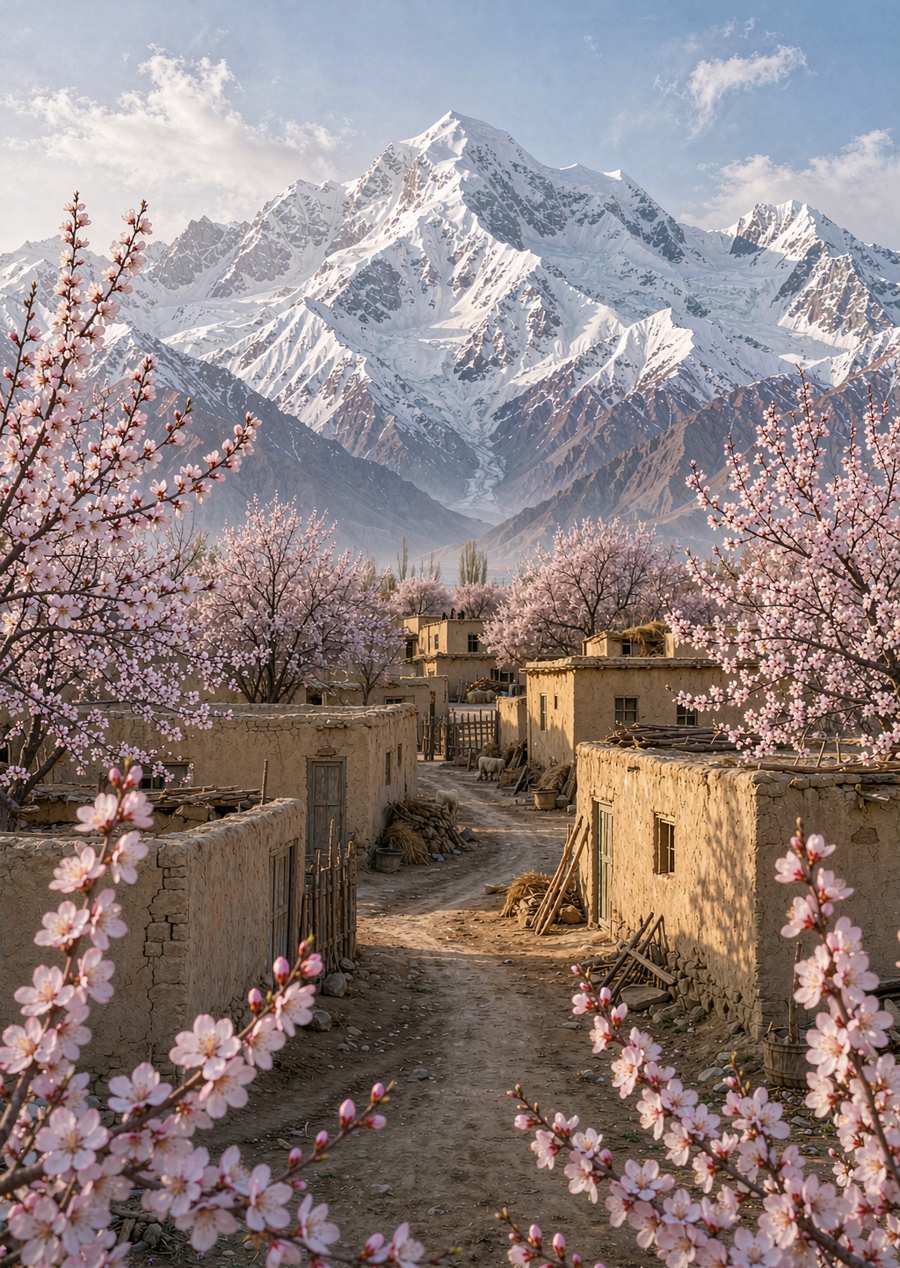 Pamir Apricot Blossom 6th
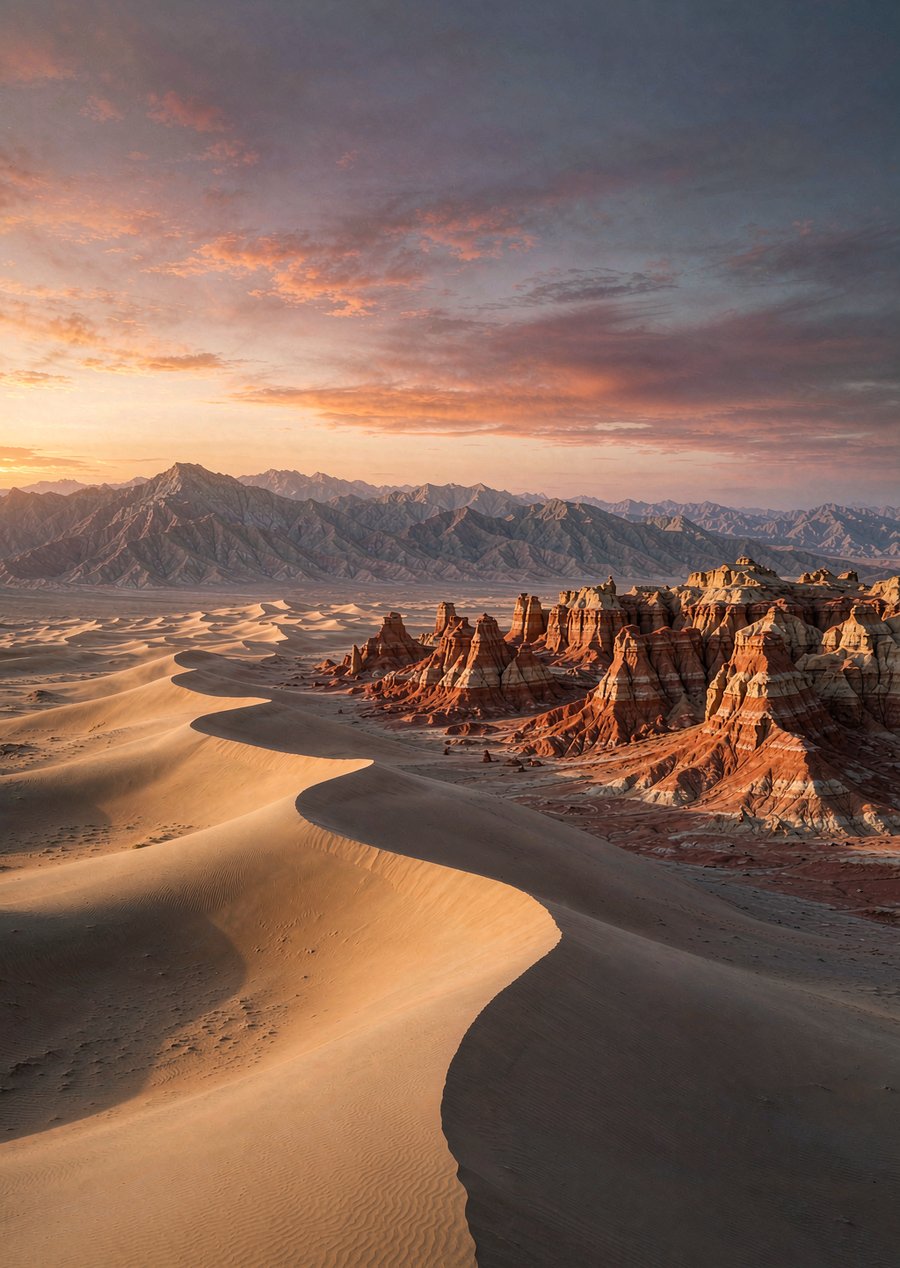 Around Taklamakan on the 12th
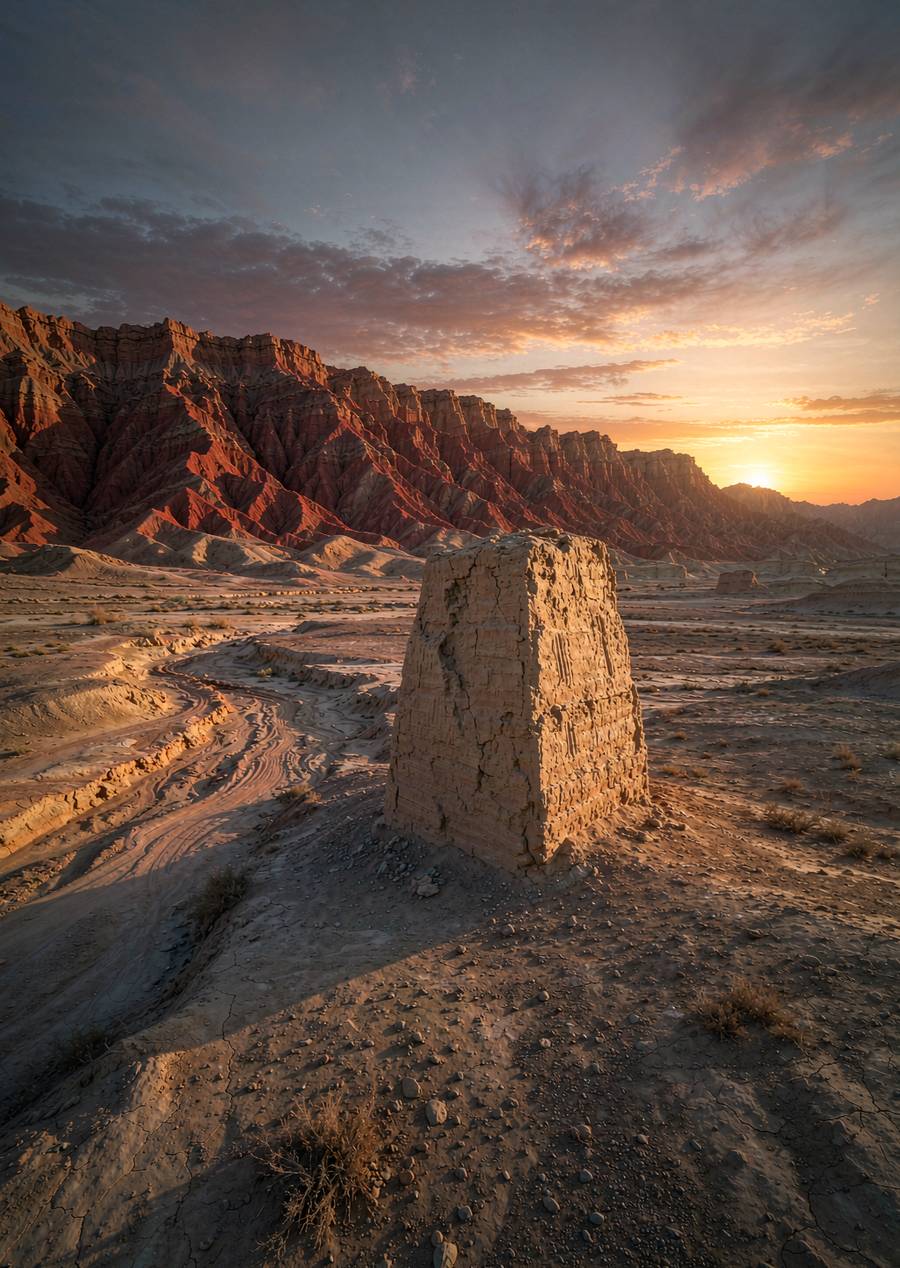 Silk Road Xinjiang Tracing Back 9 Days
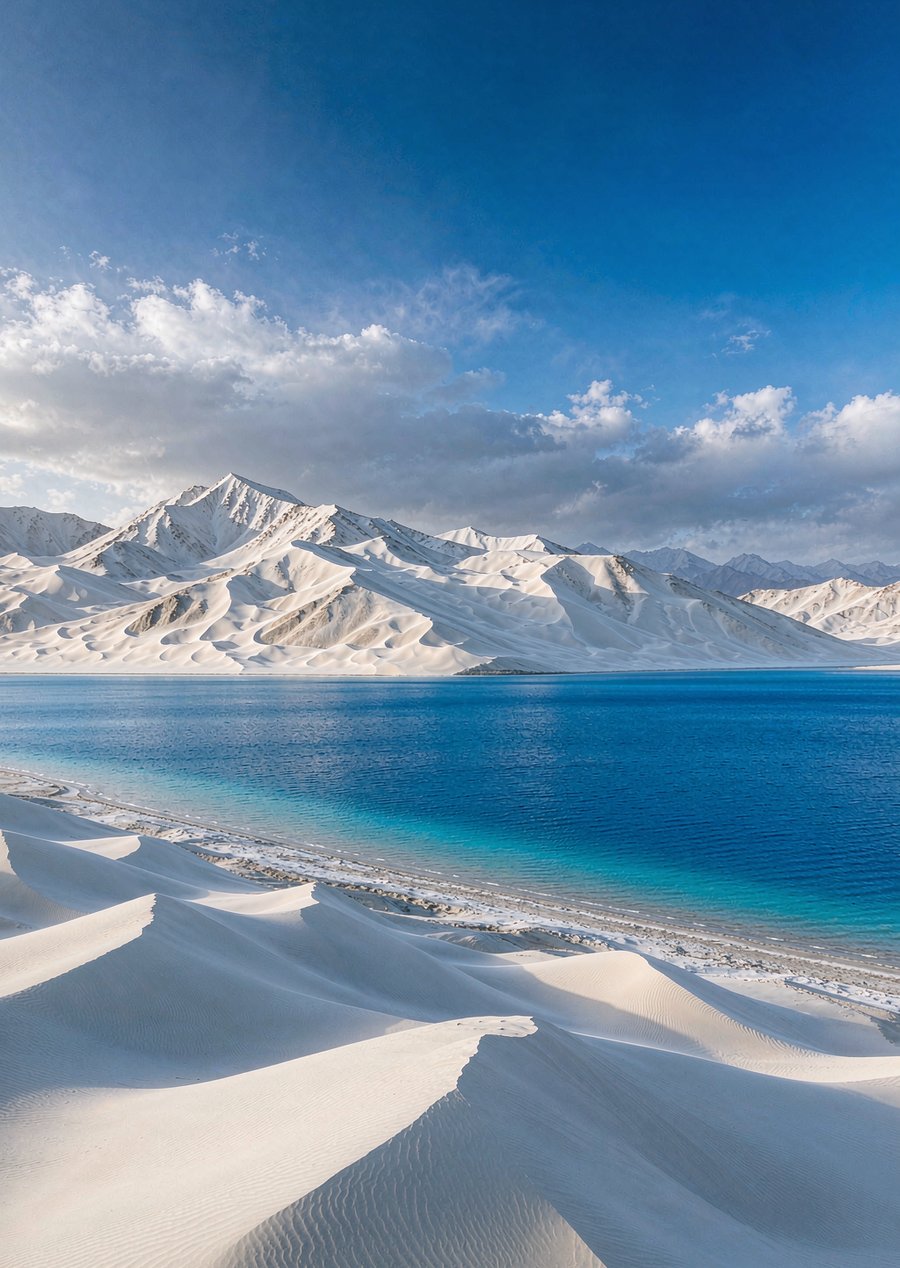 Kashgar Ancient City and Pamir In-depth 7 Days
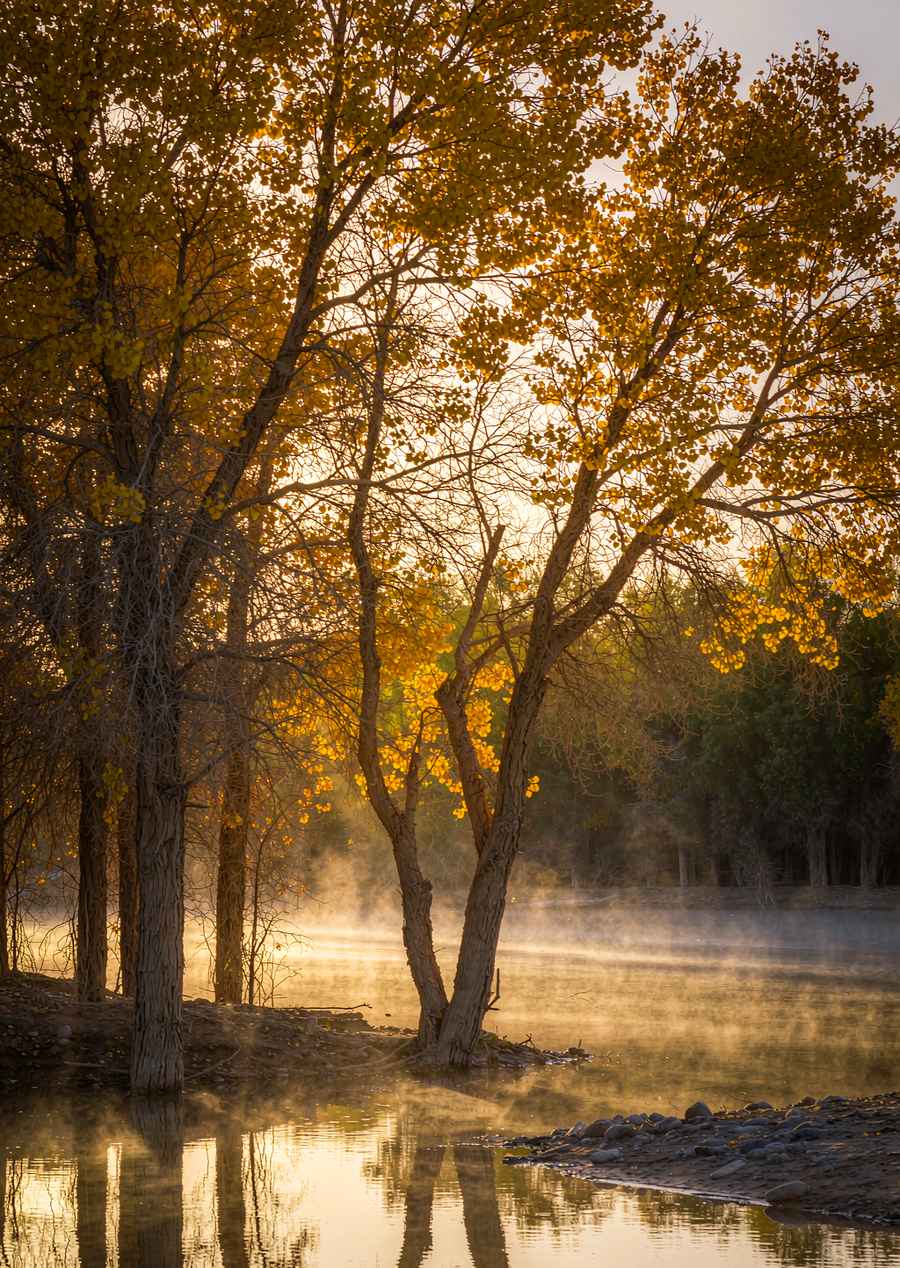 Populus euphratica in Southern Xinjiang in the golden autumn, 8th
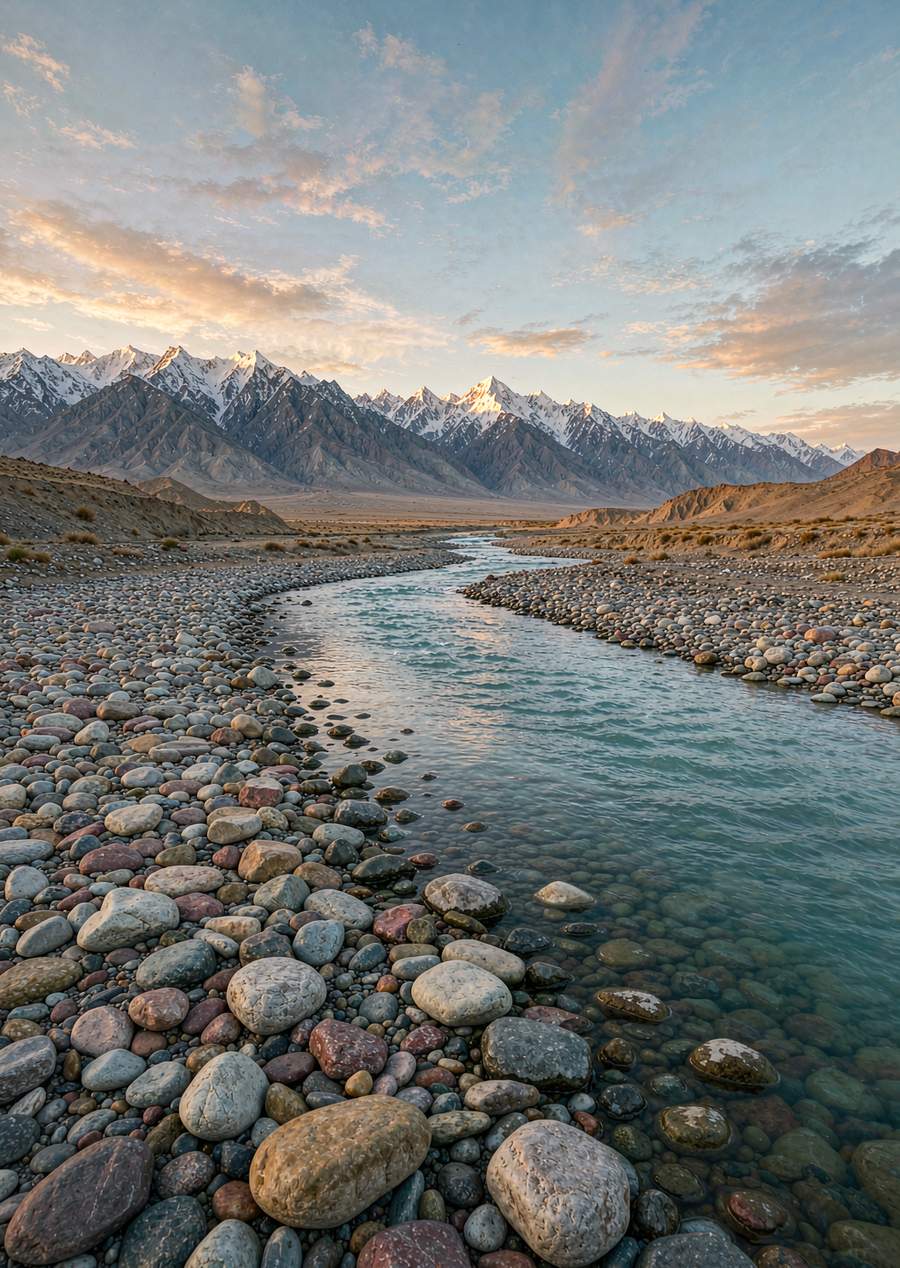 Hetian Jade Stone Road 8 Days
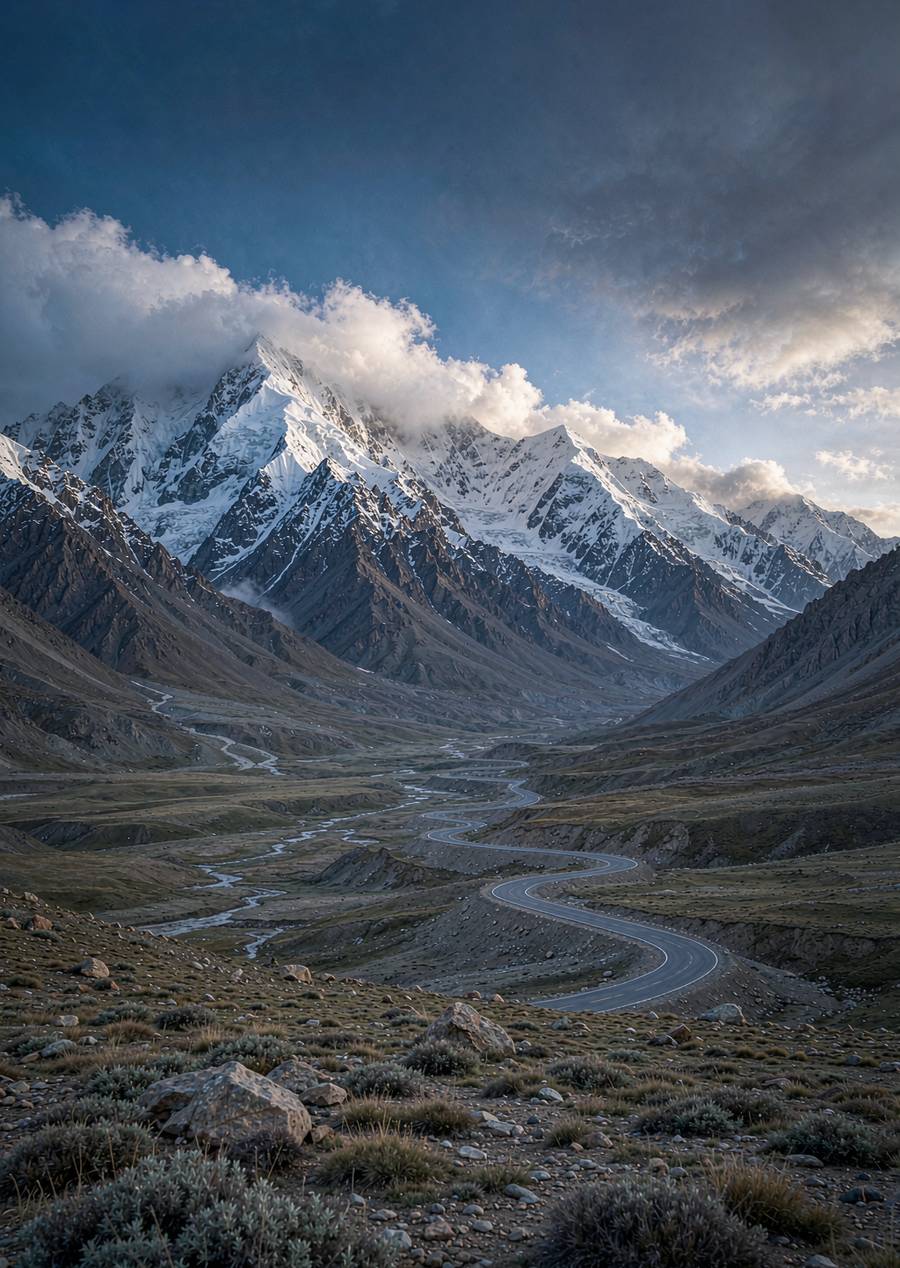 Pamir China-Pakistan Friendship Road 5 days
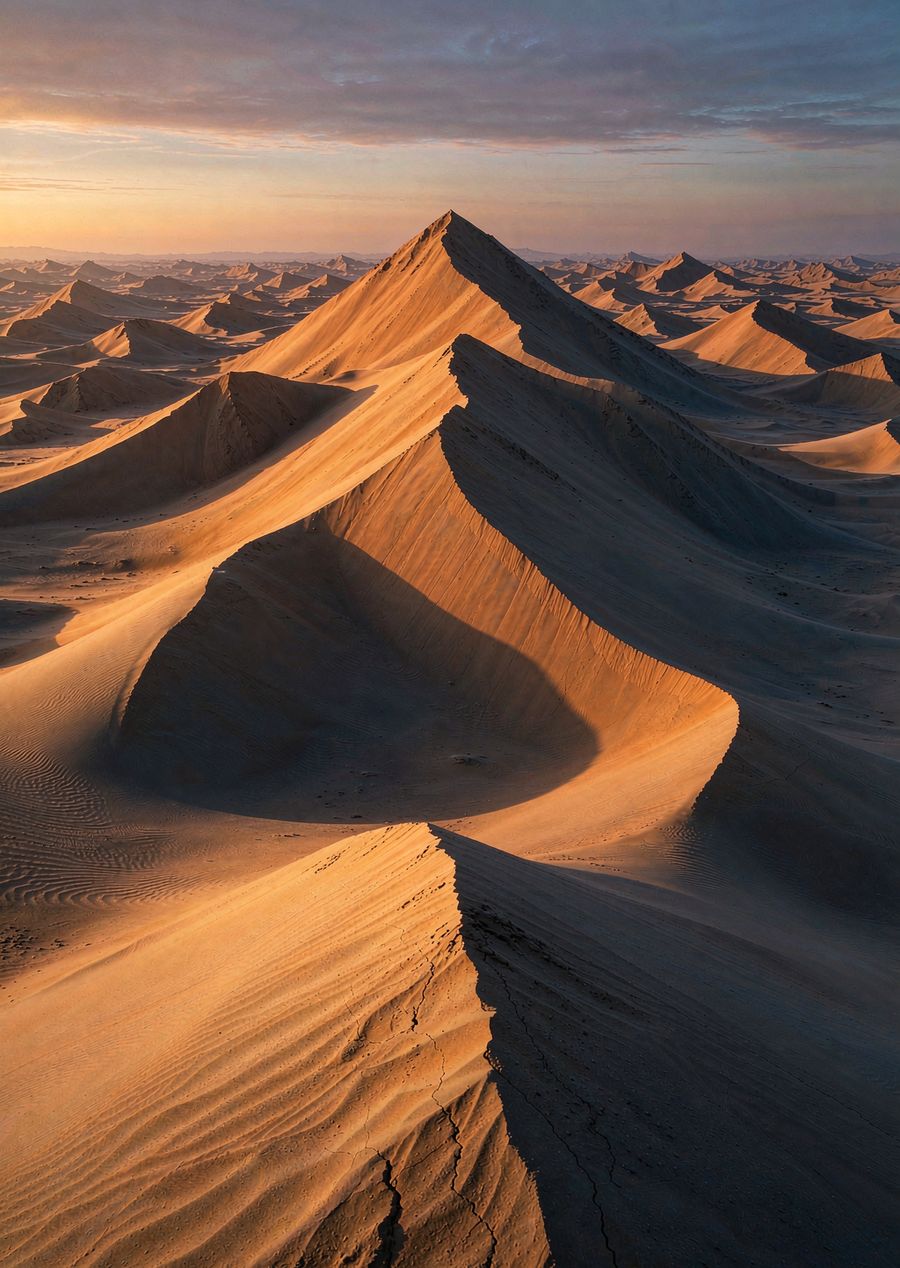 Desert Highway Longitudinal 9 Days
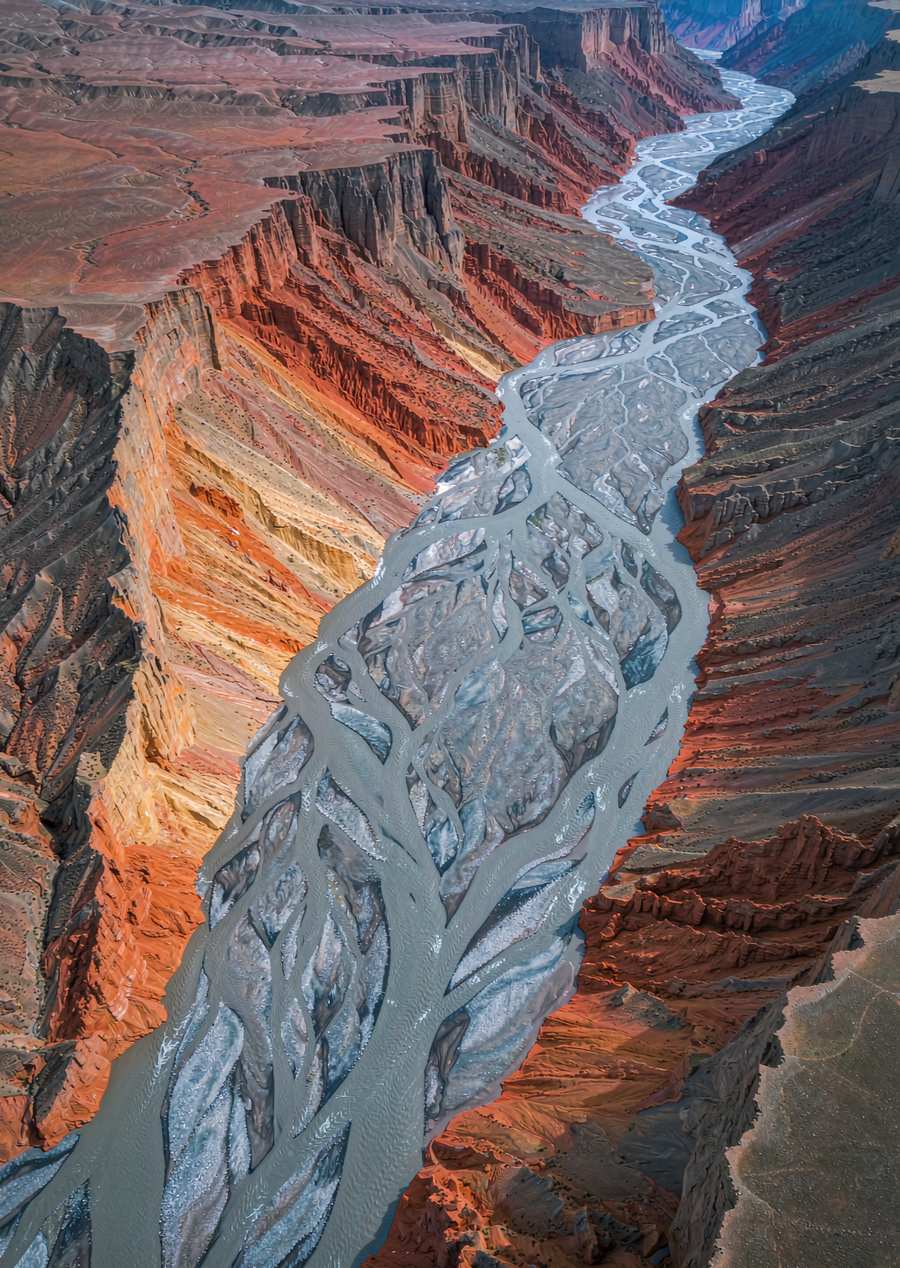 14-Day Grand Circuit of the Entire Xinjiang Region
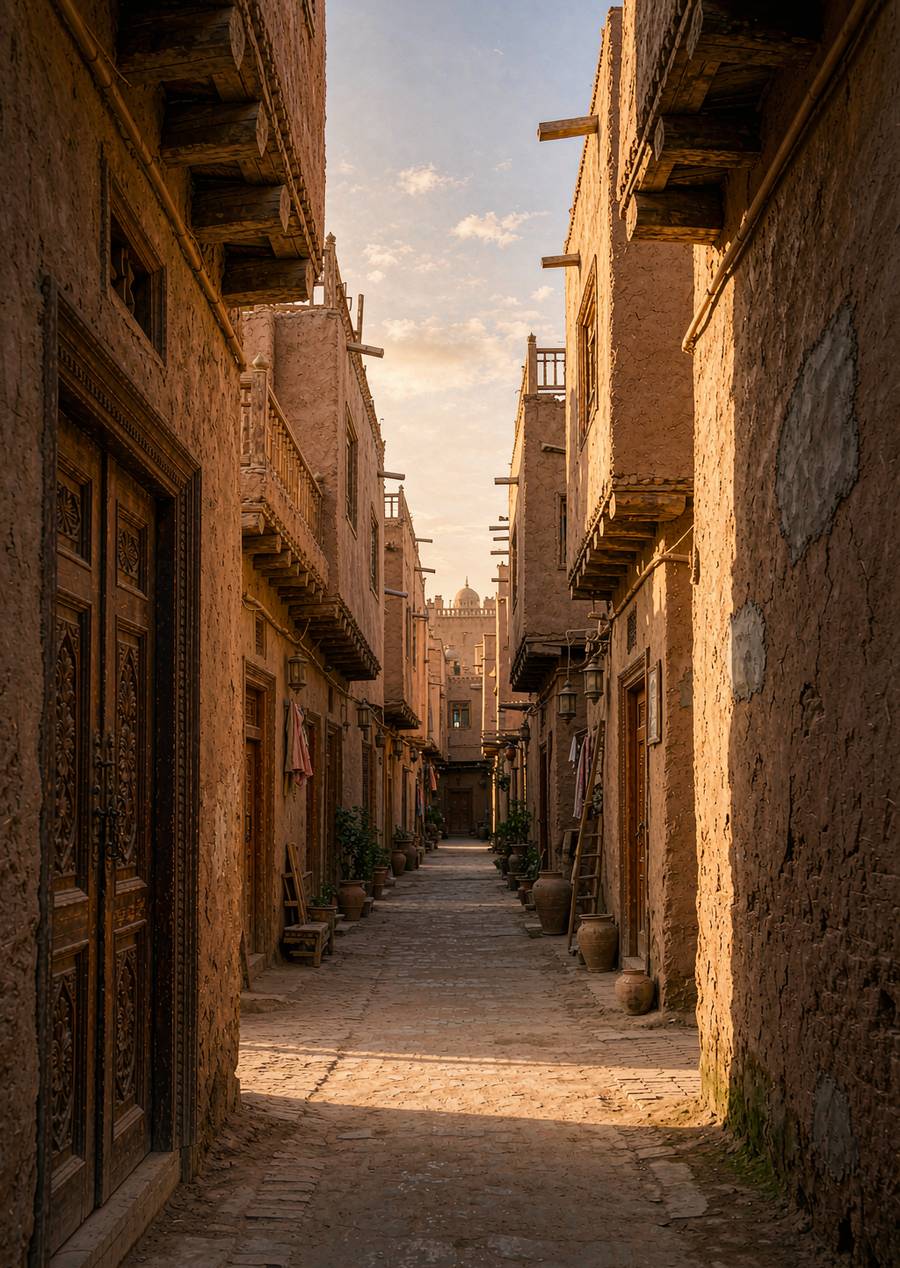 Kashgar Old Town 4 Days
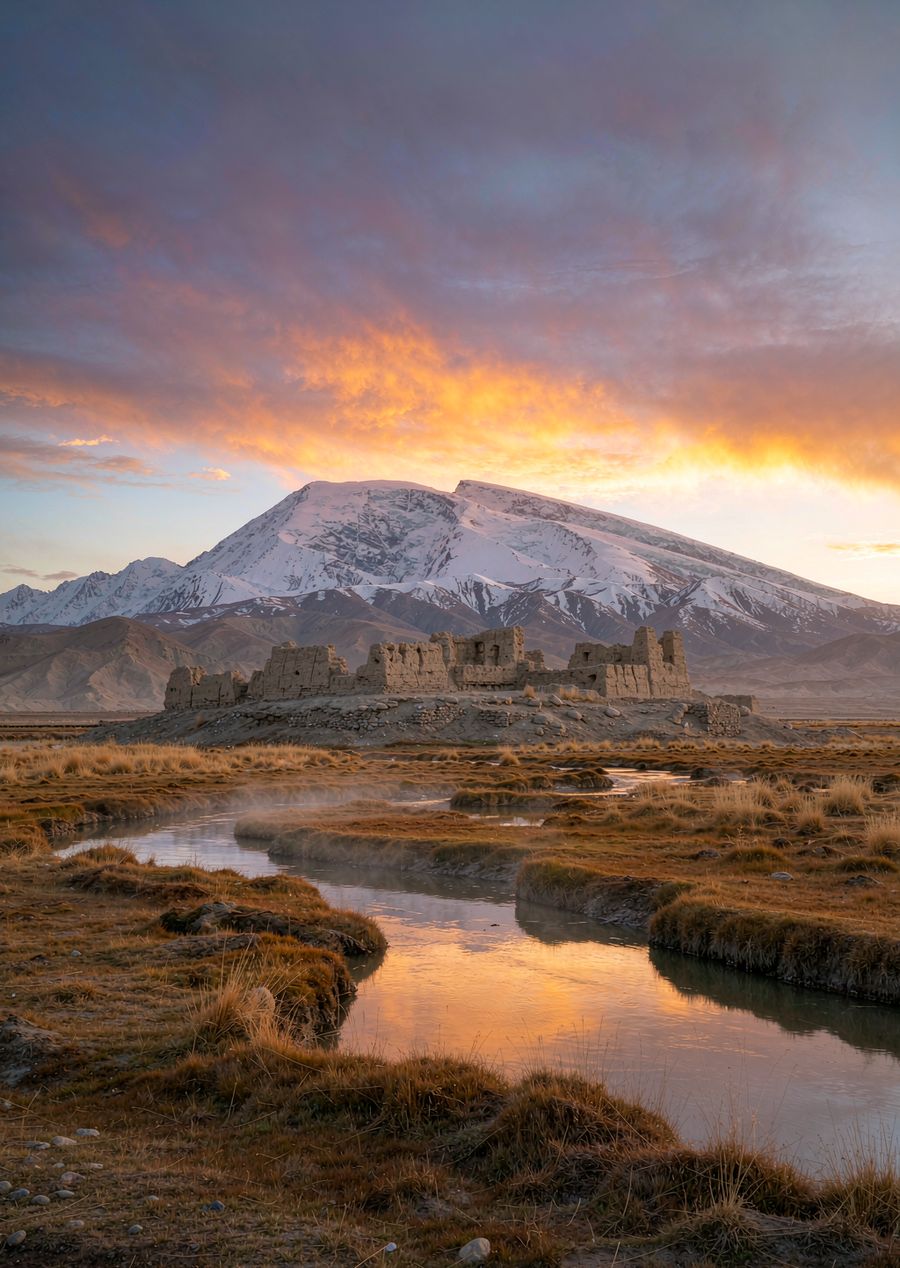 Tashkurgan Culture 6 Days
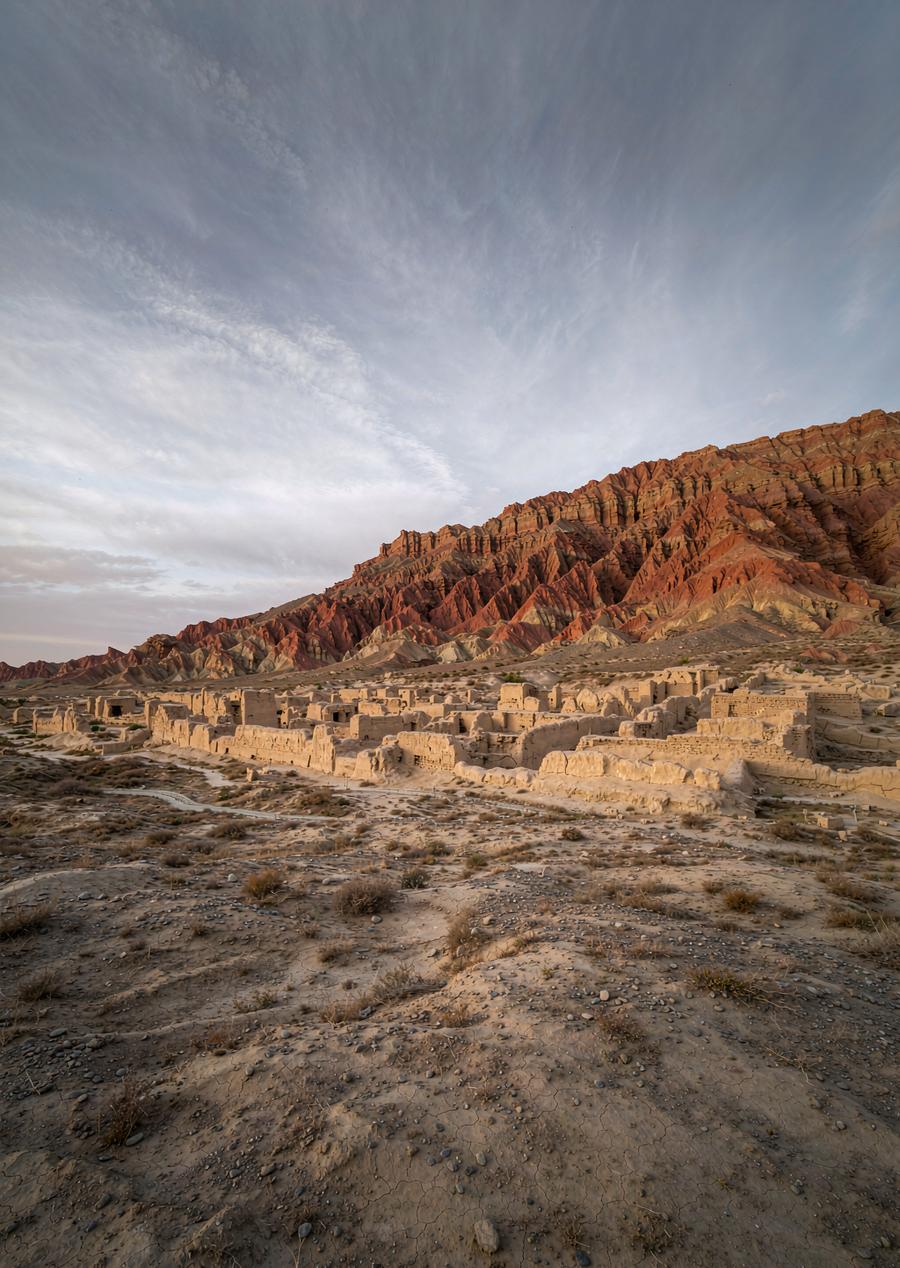 Kucha Cave Art 6 Days
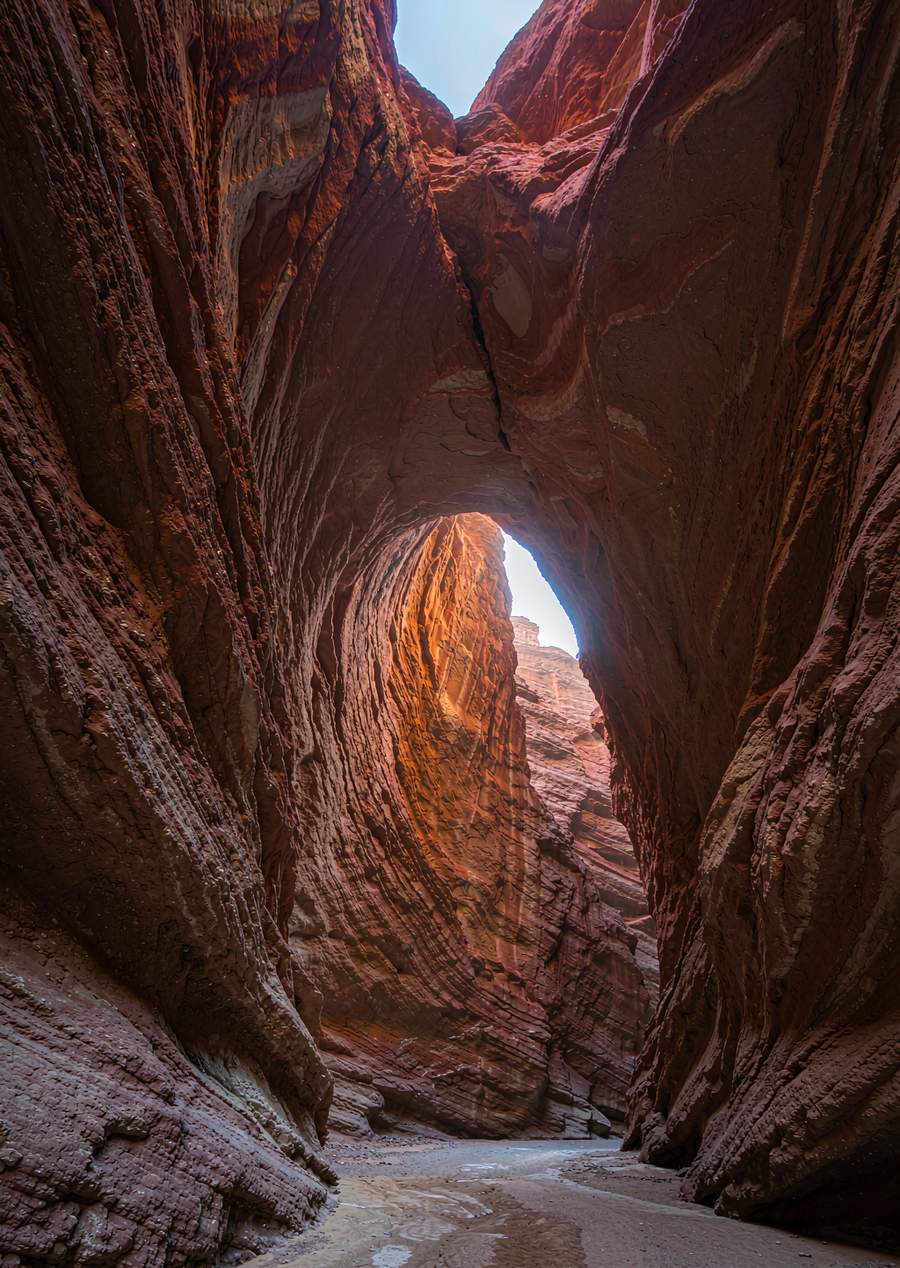 Kucha Silk Road 7 Days