Subashi Buddhist Temple Ruins Visitor Guide
The ancient Kucha temple by the river
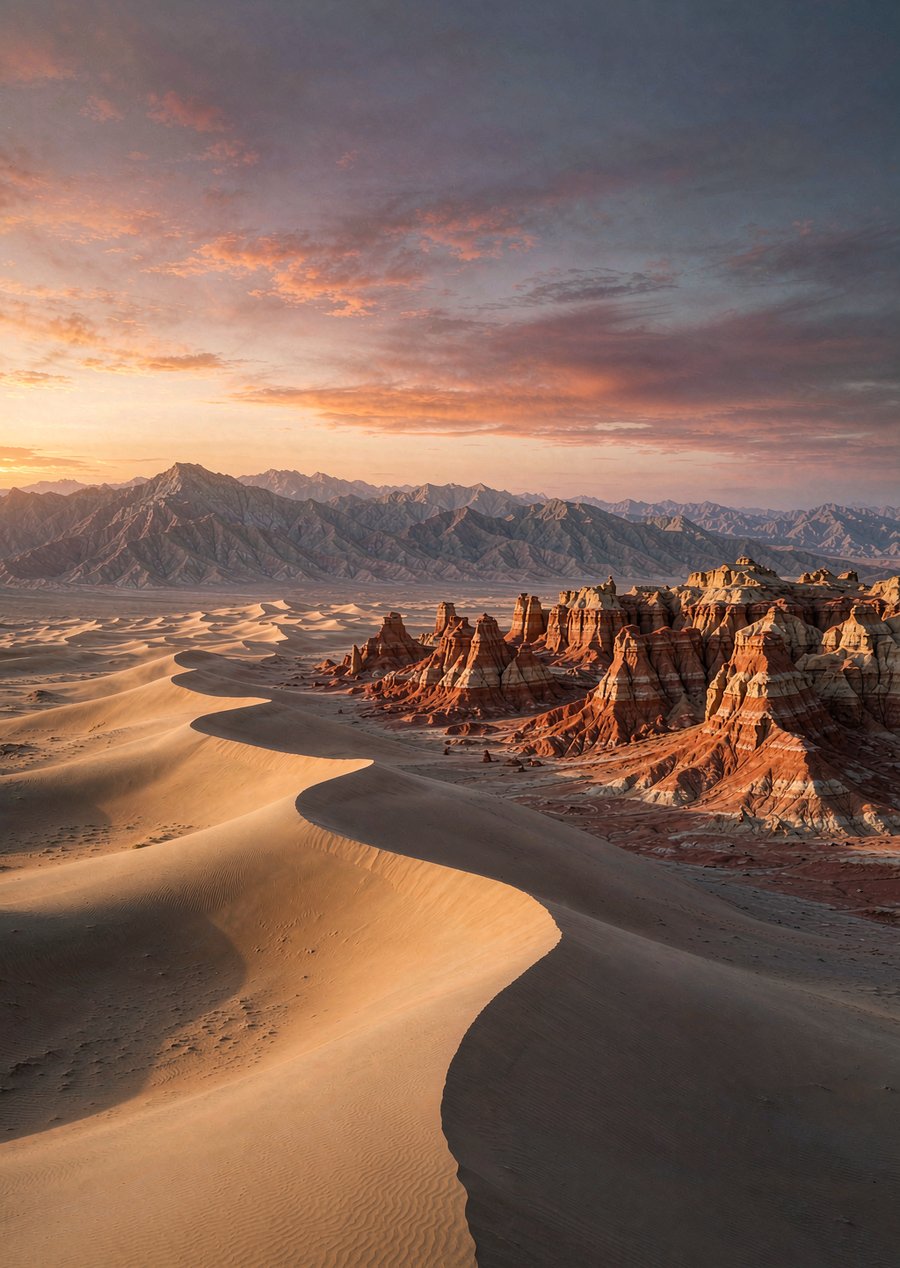
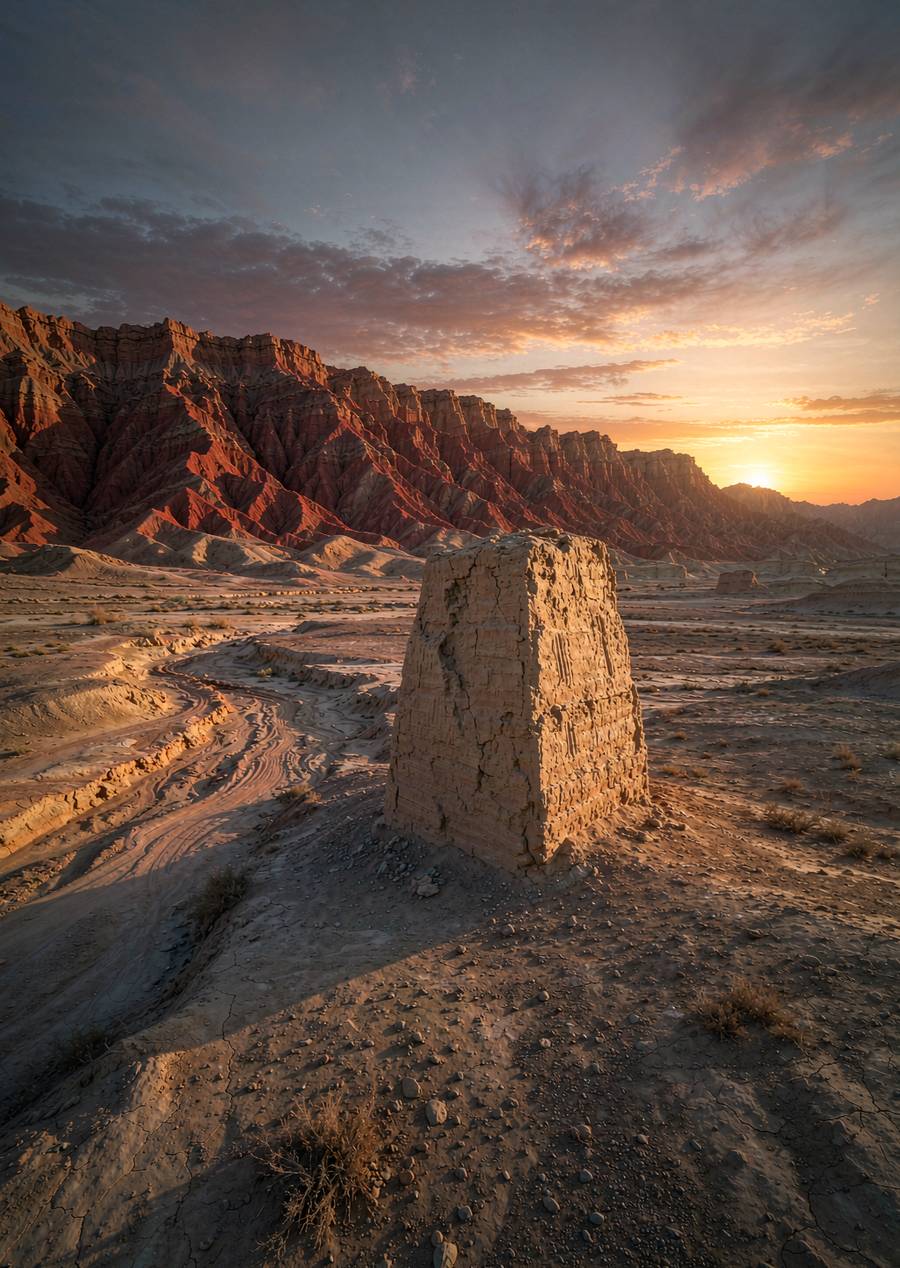
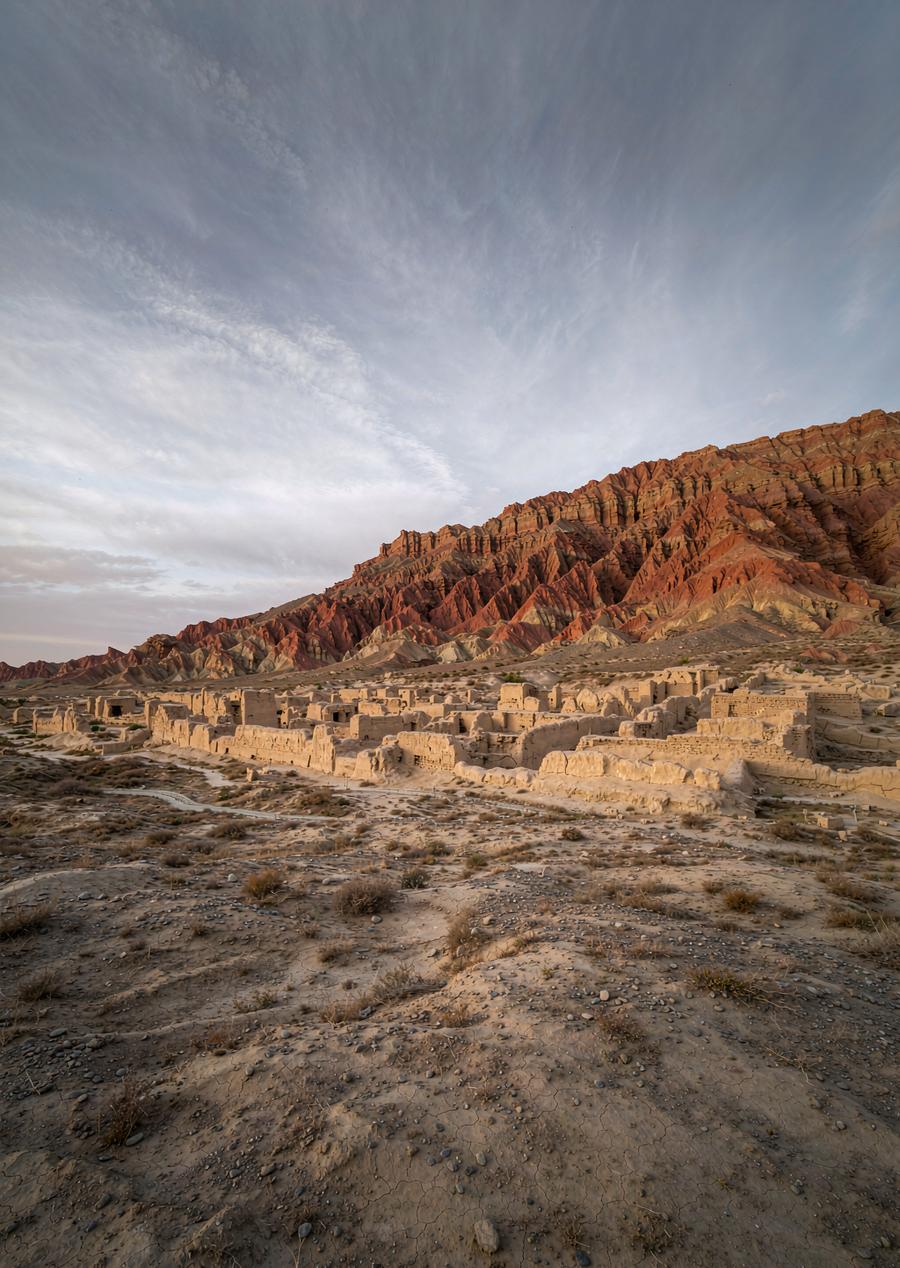
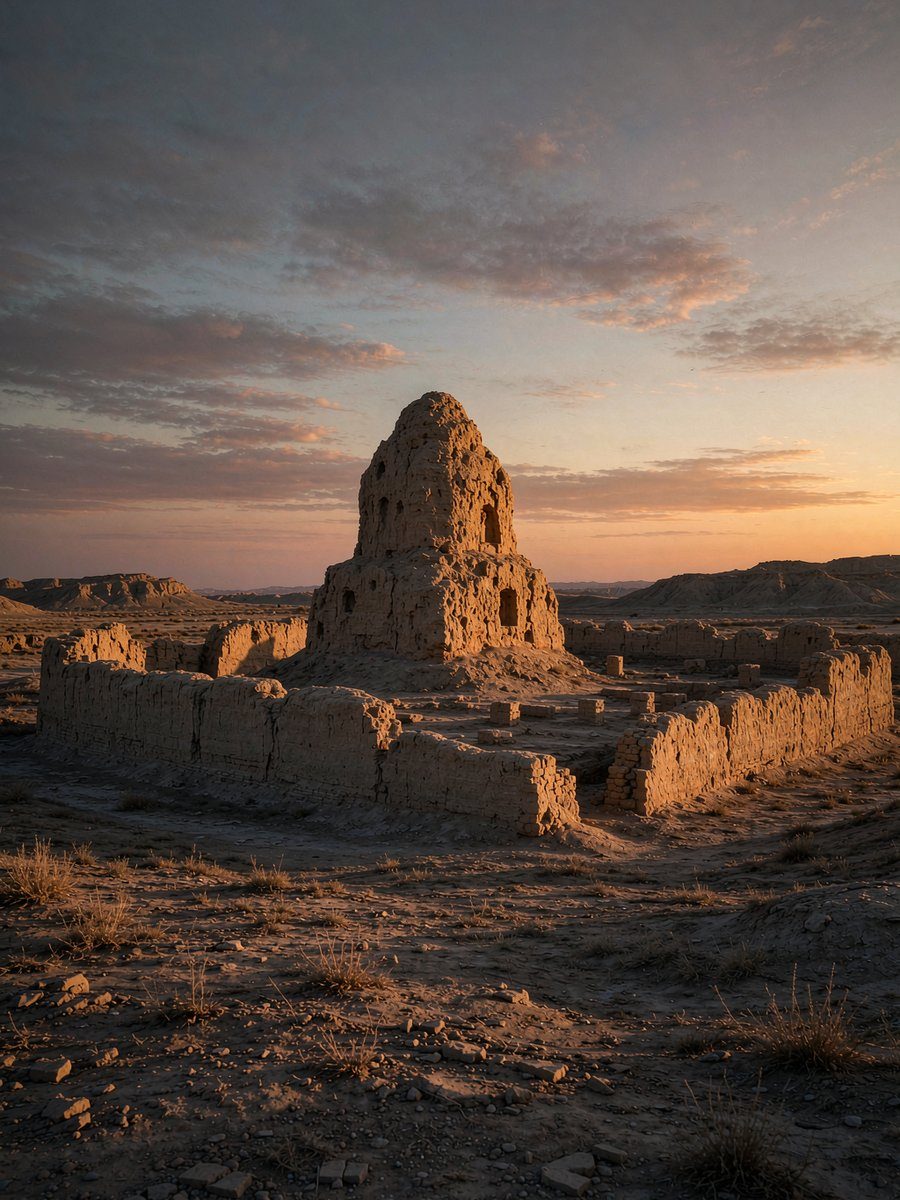
The Subashi Buddhist Temple ruins are the largest Buddhist temple remains in Kucha. The temples to the east and west face each other across the Kuqa River, with the remaining pagodas and earthen walls arranged on the Gobi Desert. As one of the heritage sites along the Tianshan Corridor of the Silk Road, it, together with the Kizil Caves, constitutes on-site evidence of 'Kucha Buddhism'.
This site only handles information compilation and itinerary design; prices and bookings are based on final confirmation.
Destination Details
The Buddhist temple flourished from the Wei and Jin to the Sui and Tang dynasties. During his journey to the West, Xuanzang once stayed in Kucha to give lectures on sutras. The ruins mainly consist of rammed-earth Buddhist pagodas and courtyard walls, with relic boxes and mural fragments having been unearthed. Even now, walking among the earthen walls, one can still discern the layout of the Buddha halls and monks' quarters.
Visiting Highlights
- Highlights: West Temple Great Pagoda, layout of the East Temple courtyard walls, Kucha River Valley scenery
- Silk Road World Heritage Site: Together with the Kizil Caves and Subash, forms the Kucha area
- Suggested combination: Often visited the same day with Kizil Caves, Kucha Royal Palace, and the ancient city of Kucha
The site is open and unshaded, extremely hot in summer. It is recommended to visit in the early morning or late afternoon. Climbing or carving on the rammed-earth ruins is prohibited.